Have you ever bought something, checked your bank balance, and whispered, “We need to talk”? You’re not alone. The good news is that shopping doesn’t always have to feel like saying goodbye to your money forever.
Cashback is like that honest friend who quietly hands you a few notes after you’ve already paid the bill. It won’t make you an overnight millionaire, but over time those small rewards can add up to groceries, fuel, your next coffee—or even a little guilt-free treat.
This guide from CashbackFlip will show you exactly how cashback works, where to find the best offers, and how to avoid the traps that keep shoppers from getting the money they deserve.
What Is Cashback?
Cashback is a reward program that gives you back a percentage of the money you spend on eligible purchases. Instead of paying full price without any return, you receive part of your spending back as cash, store credit, reward points, or other redeemable benefits.
For example, if you buy a laptop for $500 through a store offering 10% cashback, you’ll receive $50 back after your purchase is confirmed. While the amount may seem small at first, those cashback rewards can add up significantly over time.
How Cashback Works?
Think of cashback as a “thank you” payment for shopping through a particular service or using a specific payment method. Behind the scenes, businesses spend money to attract customers. Instead of keeping all of that marketing budget, some of it is shared with you as cashback.
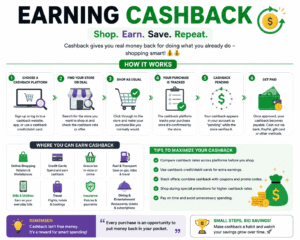
Here’s how the process usually works:
- You activate a cashback offer. This could be by clicking through a cashback website, activating an offer in an app, or using a cashback credit or debit card.
- You make a qualifying purchase. Buy from a participating retailer and follow any offer requirements, such as minimum spending or eligible product categories.
- Your purchase is tracked. The retailer confirms that your order was completed and wasn’t canceled or returned. This verification process can take anywhere from a few days to several weeks.
- The cashback is approved. Once the retailer validates the purchase, the promised reward is credited to your cashback account.
- You can redeem your earnings. Depending on the program, you may receive the money through a bank transfer, PayPal, gift card, store credit, or another payout method after reaching the minimum withdrawal amount.
Here’s A Simple Real-Life Example
Imagine you want to buy a pair of shoes for $100. Before checking out, you visit a cashback website that offers 8% cashback at that retailer.
- Shoe price: $100
- Cashback rate: 8%
- Cashback earned: $8
You still pay the full $100 at checkout, but after your purchase is confirmed, $8 is credited to your cashback account. Your effective cost becomes $92, even though you paid full price initially.
The key takeaway is that cashback doesn’t reduce the price at checkout. Instead, it rewards you after a successful purchase,
Asides from creating a successful budget plan that works, cashback is one of the easiest ways to save money on everyday spending.
Types Of Cashback
Cashback isn’t just a credit card perk — it comes in credit cards, shopping apps, browser extensions, retailer loyalty programs, BNPL platforms, crypto cards, and more.
Explore all the types of cashback available today and learn how to stack them for bigger savings on everyday purchases.”
1. Credit Card Cashback
Earn a percentage of your spending when you use a cashback credit card. Rewards may be a flat rate on all purchases or higher rates in categories like groceries, fuel, or dining.
2. Debit Card Cashback
Some banks offer cashback on purchases made with eligible debit cards, usually through promotional offers or rewards programs.
3. Online Cashback
Earn cashback by shopping through a cashback website or app before visiting an online retailer.
4. In-Store Cashback
Receive cashback when shopping at physical stores by linking your payment card or scanning your receipt after purchase.
5. Receipt Cashback
Upload or scan your shopping receipt to a cashback app and receive rewards for eligible products.
6. Coupon Cashback
Combine cashback with digital coupons or promo codes to maximize your savings.
7. Category Cashback
Receive higher cashback rates on specific spending categories, such as:
- Groceries
- Fuel
- Restaurants
- Travel
- Entertainment
- Online shopping
8. Flat-Rate Cashback
Earn the same cashback percentage on every eligible purchase, regardless of the category.
9. Tiered Cashback
The cashback rate changes depending on where you shop or how much you spend.
10. Rotating Category Cashback
Certain cashback cards offer bonus cashback in categories that change every month or quarter.
11. Sign-Up Cashback
A one-time cashback bonus for opening a new account, applying for a card, or making your first qualifying purchase.
12. Referral Cashback
Earn cashback or a cash bonus by referring friends or family who successfully join a cashback program.
13. Loyalty Cashback
Retailers reward repeat customers with cashback through their loyalty or membership programs.
14. Merchant Cashback
Cashback funded directly by a specific retailer to encourage purchases from their store.
15. Bank Cashback Offers
Banks provide limited-time cashback deals through their online banking apps or card-linked offers.
16. App-Based Cashback
Cashback earned by shopping through mobile apps that partner with retailers.
17. Browser Extension Cashback
A browser extension automatically finds and activates cashback offers while you shop online.
18. Card-Linked Cashback
Link your credit or debit card to a cashback platform, and rewards are automatically credited after eligible purchases.
19. Travel Cashback
Just like the M5 cashback claim, you can also earn cashback on travel-related expenses such as:
- Flights
- Hotels
- Car rentals
- Vacation packages
20. Grocery Cashback
Special cashback offers on groceries and household essentials, often through receipt-scanning apps.
21. Fuel Cashback
Receive cashback on petrol, diesel, EV charging, or purchases at participating fuel stations. Here’s a full article guide on how to save money on gas bills.
22. Dining Cashback
Earn cashback when eating at participating restaurants, cafés, or food delivery services.
23. Cashback Rebates
A rebate is a form of cashback where you receive part of the purchase price back after meeting the offer’s requirements.
24. Instant Cashback
The cashback is applied immediately at checkout instead of being credited later.
25. Delayed Cashback
The most common type. Cashback is paid after the retailer confirms your purchase and any return period has ended.
26. Promotional Cashback
Limited-time cashback offered during special events such as:
- Black Friday
- Cyber Monday
- Prime Day
- Holiday sales
- Back-to-school promotions
27. Subscription Cashback
Earn cashback when paying for eligible subscription services like streaming platforms, software, or meal kits.
28. Cashback on Bills
Some providers offer cashback for paying recurring bills such as internet, utilities, insurance, or mobile phone services.
29. Cryptocurrency Cashback
Certain payment cards reward purchases with cryptocurrency instead of traditional cash.
30. Business Cashback
Cashback designed for businesses, allowing companies to earn rewards on office supplies, travel, advertising, and operational expenses.
Cashback vs. Discount vs. Coupon: The Money-Saving Trio (With Very Different Personalities)
Let’s settle this once and for all, because apparently three different marketing terms had to exist just to describe “you pay less than the sticker price.”
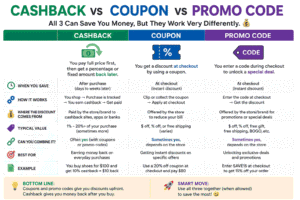
- Discount is the confident one. It walks right up to the price tag and slashes it before you even see it — no effort required on your part except showing up. It’s basically the “I already ordered for you” of savings.
- Coupon is the try-hard friend. It wants to save you money, but only if you jump through a few hoops first — clip it, screenshot it, remember the promo code you saw at 1 AM, or awkwardly recite “SAVE20” to a cashier who’s heard it 400 times today. High effort, semi-reliable payoff.
- Cashback is the sneaky one. It doesn’t touch the price at checkout at all — you pay full price, walk away thinking nothing happened, and then days later money just… shows up. Like a friend paying you back a loan you forgot you gave them. No hoops, no math at checkout, just a pleasant surprise notification.
The verdict: Discounts save you money instantly. Coupons make you work for it like it’s a part-time job. Cashback plays the long game and ghosts you until payday, then slides into your account like nothing happened.
But here’s the funny part: earning $20 in cashback doesn’t help much if you accidentally spend an extra $100 chasing “great deals.”
That’s why cashback and budgeting are the perfect financial duo.
If you’re serious about saving money, don’t stop at cashback. Learn how to make a budget that matches your income and expenses. A solid budget ensures every cashback reward becomes extra savings instead of disappearing into unnecessary spending.
When you treat cashback as a bonus rather than a reason to spend, you’ll build healthier financial habits and keep more money in your pocket over time.
Benefits Of Using Cashback?
Cashback isn’t just about getting a few dollars back—it’s a smart way to reduce your everyday expenses and make every purchase work harder for you.
Whether you’re shopping online, paying bills, or buying groceries, cashback rewards can help you keep more of your money.
1. Save Money on Everyday Purchases
The biggest advantage of cashback is simple: you spend less in the long run. Every qualifying purchase earns back a percentage of what you paid, lowering your overall expenses.
2. Earn Rewards Without Changing Your Shopping Habits
Unlike some reward programs that require extra effort, cashback lets you earn money on purchases you were already planning to make.
3. Maximize Savings by Stacking Deals
Cashback often works alongside coupons, promo codes, loyalty points, and seasonal sales, allowing you to save even more on a single purchase.
4. Turn Regular Spending Into Rewards
Whether you’re buying groceries, booking travel, filling your fuel tank, or shopping online, cashback transforms everyday expenses into opportunities to earn.
5. Improve Your Shopping Budget
The money you earn from cashback can help offset future purchases, reduce monthly expenses, or contribute to your savings goals.
6. Access Exclusive Retail Offers
Many cashback platforms partner with retailers to provide special promotions and higher cashback rates that aren’t available to everyone.
7. Encourage Smarter Spending
Knowing you’ll earn cashback encourages you to compare offers, plan purchases, and shop more strategically instead of making impulsive buying decisions.
8. Enjoy Flexible Redemption Options
Depending on the program, cashback can be redeemed as:
- Bank transfers
- PayPal payments
- Gift cards
- Store credit
- Reward points
- Statement credits
9. Benefit From Free Membership Programs
Many cashback websites and apps are free to join, allowing you to start earning rewards without paying a subscription fee.
10. Earn Passive Savings Over Time
Small cashback rewards may seem insignificant at first, but they accumulate over months and years. Consistent use can result in substantial savings without requiring extra work.
11. Perfect for Online and In-Store Shopping
Modern cashback programs support both online retailers and physical stores, giving you more ways to earn regardless of where you shop.
12. Reward Large Purchases
Higher-value purchases such as electronics, furniture, appliances, or travel bookings can generate larger cashback rewards, making major expenses more affordable.
13. Help You Build Better Financial Habits
Regularly using cashback encourages you to:
- Compare prices before buying.
- Look for the best available deals.
- Plan purchases instead of buying impulsively.
- Get more value from every dollar you spend.
14. Great for Families and Frequent Shoppers
Households with regular grocery, fuel, utility, and online shopping expenses can accumulate cashback much faster than occasional shoppers.
15. It’s Like Giving Yourself a Small Pay Raise
Every time you earn cashback, you’re reducing your effective cost without sacrificing the products or services you need. While the savings from one purchase may be modest, consistent cashback use can add up to hundreds—or even thousands—of dollars over time.
Drawbacks And Limitations Of Cashback?
Cashback is a great way to save money, but it’s not perfect. Understanding its limitations can help you avoid common mistakes and make better financial decisions.
1. Cashback Isn’t Instant
Most cashback programs don’t pay immediately. Your purchase must first be tracked, verified, and approved, which can take anywhere from a few days to several months.
2. Not Every Purchase Qualifies
Some products, brands, or categories may be excluded from cashback offers. Always read the terms and conditions before making a purchase.
3. Minimum Payout Requirements
Many cashback platforms require you to earn a minimum amount before you can withdraw your money.
4. Purchases May Fail to Track
If cookies are blocked, you use an unapproved coupon code, or the retailer’s tracking system fails, your purchase may not qualify for cashback.
5. Returns and Cancellations Cancel Cashback
If you return an item, cancel your order, or request a refund, the cashback earned on that purchase is usually reversed.
6. Cashback Rates Can Change
Retailers may increase or reduce cashback percentages without notice, especially during promotional periods.
7. Some Offers Have Expiration Dates
Limited-time cashback promotions may expire before you complete your purchase.
8. Spending More Just to Earn Cashback
One of the biggest mistakes shoppers make is buying things they don’t need simply because they offer cashback. Saving 10% on an unnecessary purchase still means you’ve spent 90% unnecessarily.
9. Reward Caps
Some cashback cards and programs limit the maximum amount of cashback you can earn within a month, quarter, or year.
10. Geographic Restrictions
Certain cashback websites, cards, or promotions are only available in specific countries or regions.
11. Payment Method Restrictions
Some cashback offers only apply when you use a specific credit card, debit card, digital wallet, or payment service.
12. Cashback Can Expire
Some programs require you to redeem your cashback within a certain time, while others may close inactive accounts and forfeit unused rewards.
13. Hidden Terms and Conditions
Cashback offers may include conditions such as:
- Minimum purchase amounts
- Eligible products only
- New customers only
- One redemption per account
- Excluded brands or sale items
Ignoring these terms can result in no cashback being paid.
14. Delayed Customer Support
If your cashback isn’t tracked correctly, resolving the issue may require submitting receipts or contacting customer support, which can take time.
15. Cashback Is a Bonus—Not Free Money
Cashback only rewards spending; it doesn’t eliminate the cost of your purchase. It’s a tool for saving on planned expenses, not a reason to spend more.
Is Cashback Really Free?
No. Nothing with a bank logo on it is free. “Free” cashback is more like a rebate on a fee you already agreed to pay, wrapped in a treat-shaped notification designed by people whose entire job is making you feel like a genius for spending money.
Is it worth it? Sure, if you’re disciplined, pay in full, and treat the rewards as a nice little bonus rather than a strategy. Just don’t confuse “I got 2% back” with “I made money.” You didn’t make money. You participated in an ecosystem, and the ecosystem sent you a thank-you card with $1.47 in it.
How Does Cashback Companies Make Money?
Cashback companies make money through affiliate marketing, partnerships, advertising, and financial services. They don’t usually lose money by giving you cashback—instead, they share part of what they earn.
How to Earn Cashback: A Step-by-Step Guide
Earning cashback is straightforward once you understand the process. Here’s how it works:
Step 1: Join a Cashback Platform
Create a free account with a cashback website, app, or cashback credit card program.
Step 2: Browse Available Offers
Search for the store or product you want to buy and check:
- Cashback percentage or fixed amount
- Terms and conditions
- Eligible products
- Expiration dates
Step 3: Activate the Cashback Offer
Depending on the platform, you may need to:
- Click the retailer’s link from the cashback website.
- Activate the offer in the app.
- Use a linked payment card.
- Pay with a cashback credit or debit card.
Skipping this step may mean you don’t earn cashback.
Step 4: Complete Your Purchase
Buy the item as you normally would. Make sure you:
- Complete the purchase in one session.
- Don’t switch devices or browsers midway.
- Follow all the offer requirements.
Step 5: Wait for the Purchase to Track
The cashback platform records your purchase. This can happen within minutes, hours, or a few days.
Your cashback will usually show as:
- Pending – The purchase has been tracked.
- Confirmed – The retailer has approved the cashback.
- Payable – The cashback is ready to be withdrawn.
Step 6: Receive Your Cashback
After the retailer confirms your purchase (often after the return period ends), your cashback becomes available.
Step 7: Withdraw or Use Your Cashback
Depending on the platform, you can:
- Transfer it to your bank account.
- Send it to PayPal or another digital wallet.
- Redeem it as gift cards.
- Use it for future purchases.
Common Reasons Cashback Gets Declined?
Have you ever completed a purchase expecting cashback, only to discover it was marked “declined” or “rejected”? It can be frustrating, especially when you followed what seemed like all the right steps. While it may feel like the cashback company simply refused to pay, that’s not always the case.
In most situations, cashback is declined because the purchase didn’t meet the retailer’s terms and conditions or couldn’t be properly tracked.
Common reasons include using an unauthorized coupon code, returning or canceling an order, failing to activate the cashback offer, or buying products that are excluded from the promotion.
Understanding why cashback gets declined is the first step to avoiding disappointment.
Tips To Maximize Cashback
- Compare cashback rates across different platforms.
- Stack cashback with coupons and store discounts (if allowed).
- Read the terms and conditions before buying.
- Shop only for items you already planned to purchase.
- Keep your receipts and confirmation emails until your cashback is confirmed.
Can You Stack Cashback, Coupon And Promo Codes?
Yes, you can sometimes stack cashback, coupons, and promo codes—but not always. Whether it works depends on the retailer’s policies and the cashback platform’s terms.
Here’s how stacking typically works:
Stacking means combining multiple savings methods on a single purchase, such as:
•Cashback
•Store discounts
•Coupons
•Promo codes
•Loyalty rewards
•Credit card cashback
The goal is to maximize your savings.
When Stacking Works
A common example looks like this:
1.Click through a cashback website to visit the retailer.
2.Apply a store-issued promo code that the cashback platform says is eligible.
3.Redeem your loyalty points or rewards (if allowed).
4.Pay with a cashback credit card.
You could save through:
•Store discount
•Promo code
•Cashback
•Credit card rewards
When Stacking Doesn’t Work
Cashback may be reduced or declined if you:
•Use a coupon code from an unauthorized third-party website.
•Buy excluded products.
•Fail to activate the cashback offer before shopping.
•Break the retailer’s cashback terms.
Some retailers only allow cashback when you use promo codes they have approved.
Tips for Successful Stacking
•Read the cashback terms before making a purchase.
•Use retailer-approved promo codes listed on the cashback platform whenever possible.
•Activate cashback first, then complete your purchase in the same browsing session.
•Use a rewards or cashback payment card for an extra layer of savings.
•Keep your order confirmation until your cashback is approved.
How Long Does Cashback Take To Become Payable?
Waiting for cashback to become payable can feel like watching a package that’s “out for delivery” for days. You’ve completed your purchase, your cashback is showing as pending, and now you’re wondering: How long will it take before I can actually withdraw the money?
The answer isn’t the same for every retailer or cashback platform. Some cashback rewards become payable within a few weeks, while others may take several months.
The timeline depends on factors such as the retailer’s return period, order verification process, and the cashback platform’s payment schedule.
How Cashback Payments Work
Cashback payments don’t happen instantly. Before you receive your reward, your purchase goes through several verification steps to ensure it qualifies for cashback. Here’s how the process typically works:
1. You Make a Qualifying Purchase
Start by shopping through a cashback website, app, or eligible payment card. As long as you follow the offer’s terms, your purchase is recorded.
2. Your Purchase Is Tracked
The cashback platform receives confirmation that you visited the retailer through its referral link. Your cashback usually appears as pending within a few hours or days.
3. The Retailer Verifies Your Order
The retailer checks that:
- Your payment was successful.
- You didn’t cancel the order.
- You didn’t return the item.
- Your purchase met the cashback offer’s terms.
This verification often takes the longest because many retailers wait until the return or refund period has expired.
4. Cashback Is Confirmed
Once the retailer approves your purchase, the cashback changes from pending to confirmed. At this stage, the cashback has been approved but may not yet be available to withdraw.
5. Cashback Becomes Payable
After the retailer sends the commission to the cashback platform, your cashback becomes payable. You can now withdraw it if you’ve met the platform’s minimum payout requirements.
6. You Receive Your Payment
Most cashback platforms offer one or more of the following payment methods:
- Bank transfer
- PayPal or other digital wallets
- Gift cards
- Store credit
- Mobile money (on some platforms)
Payment processing can take anywhere from a few minutes to several business days, depending on the method you choose.
Best Cashback Category
Not all cashback offers are created equal. While you can earn rewards on almost anything these days, some shopping categories consistently offer higher cashback rates and better savings than others. Knowing where to shop can help you maximize your rewards without changing your spending habits.
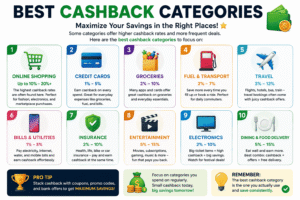
From online shopping and travel bookings to groceries, dining, fuel, and financial services, the best cashback categories can put money back in your pocket on purchases you already make. By focusing on these high-value categories, you can earn more cashback throughout the year while keeping your budget under control.
Why Do Some Cashback Categories Offer Higher Rewards Than Others?
If you’ve ever noticed that one store offers 2% cashback while another offers 15%, you’re not imagining things. Cashback rates vary because retailers have different business goals, profit margins, and marketing budgets. Here are the main reasons some categories offer higher rewards than others.
1. Higher Profit Margins
Retailers that earn larger profits on their products can afford to offer higher cashback rates. For example, fashion, beauty products, and digital services often have higher profit margins than groceries or electronics, allowing retailers to share more of their earnings with shoppers.
2. Customer Acquisition
Many businesses use cashback as a marketing tool to attract new customers. Offering a generous cashback rate encourages shoppers to choose their store over a competitor, especially in crowded industries like travel, fashion, and online retail.
3. Seasonal Promotions
Cashback rates often increase during major shopping events such as Black Friday, Cyber Monday, back-to-school sales, or holiday promotions. Retailers temporarily boost rewards to drive more sales during these peak periods.
4. Product Demand
When retailers want to increase sales of specific products or clear excess inventory, they may offer higher cashback to encourage purchases.
5. Affiliate Commission Rates
Cashback companies earn commissions from retailers through affiliate programs. If a retailer pays a higher commission, the cashback platform can pass more of that commission on to shoppers.
6. Competition Between Retailers
In highly competitive industries, retailers may offer better cashback deals to stand out and attract more customers.
Best Cashback For Beginners, Students, Families, Business Owners
The best cashback strategy depends on your lifestyle and spending habits. Whether you’re a student on a tight budget or a business owner making regular purchases, choosing the right cashback categories can help you maximize your savings.
1. Best Cashback for Beginners
If you’re new to cashback, start with purchases you already make regularly.
Best categories:
- Online shopping
- Groceries
- Fashion
- Electronics
- Food delivery
Why they’re ideal:
- Easy to understand.
- Widely available.
- Frequent promotions.
- Great way to build confidence with cashback.
Beginner tip: Stick to one or two trusted cashback platforms until you’re familiar with how tracking and payouts work.
2. Best Cashback for Students
Students can save money on everyday essentials and study-related expenses.
Best categories:
- Textbooks and educational materials
- Laptops and tech accessories
- Food delivery
- Streaming subscriptions
- Clothing and footwear
- School supplies
Why they’re ideal:
Students often shop online and can earn rewards on purchases they’re already making.
Student tip: Combine student discounts with cashback whenever the retailer allows it.
3. Best Cashback for Families
Families usually have recurring monthly expenses, making cashback especially valuable.
Best categories:
- Groceries
- Baby products
- Household essentials
- Pharmacy and health products
- Utilities (where available)
- Travel and hotel bookings
Why they’re ideal:
Regular spending means cashback can add up significantly over time.
Family tip: Plan larger purchases during promotional cashback events to maximize savings.
4. Best Cashback for Business Owners
Businesses often spend more than individual consumers, creating greater cashback opportunities.
Best categories:
- Office supplies
- Business software subscriptions
- Computers and office equipment
- Internet and communication services
- Business travel
- Fuel and vehicle expenses
- Marketing and advertising services
Why they’re ideal:
Recurring business expenses can generate substantial cashback throughout the year.
Business tip: Keep business and personal purchases separate to make tracking cashback and expenses easier.
5. Best Cashback for Frequent Travelers
Travel-related purchases often come with generous cashback offers.
Best categories:
- Flights
- Hotels
- Car rentals
- Vacation packages
- Travel insurance
Tip: Book through cashback partners before completing your reservation to earn rewards on travel you already planned.
6. Best Cashback for Online Shoppers
If you buy online frequently, almost every purchase can become an opportunity to earn cashback.
Best categories:
- Marketplaces
- Fashion retailers
- Electronics
- Beauty products
- Home and kitchen items
Tip: Compare cashback rates across platforms before checking out.
Which Cashback Category Is Best Overall?
There’s no single “best” category for everyone. The most valuable cashback comes from the purchases you make most often.
For most people, groceries, online shopping, fuel, travel, and household essentials provide the greatest long-term savings because they’re recurring expenses.
Remember: The smartest cashback strategy isn’t chasing the highest percentage—it’s earning rewards on purchases you genuinely need. That way, every cashback payment becomes real savings rather than an excuse to spend more.
Cashback Myths, Facts, and Common Mistakes to Avoid
Cashback has become one of the most popular ways to save money while shopping, but it’s also surrounded by plenty of myths and misconceptions. Some people believe cashback is a scam, while others think it’s free money with no strings attached. The truth lies somewhere in between.
Understanding what’s true, what’s false, and what mistakes to avoid will help you make smarter shopping decisions and maximize your cashback rewards.
Cashback Myths vs. Facts
Myth 1: Cashback Is Free Money
Fact: Cashback is a reward for making a qualifying purchase. While it can feel like free money, you usually need to buy something first and meet the retailer’s terms and conditions.
Myth 2: Every Purchase Qualifies for Cashback
Fact: Not all products, brands, or categories are eligible. Some retailers exclude gift cards, subscriptions, taxes, shipping fees, or selected product lines.
Myth 3: Cashback Is Paid Instantly
Fact: Most cashback rewards start as pending and only become payable after the retailer verifies your purchase and the return period has passed.
Myth 4: The Highest Cashback Offer Is Always the Best Deal
Fact: A higher cashback percentage doesn’t always mean you’ll spend less. Another retailer may offer a lower cashback rate but a much cheaper product.
Myth 5: Cashback Is a Scam
Fact: Reputable cashback platforms operate legitimate affiliate marketing businesses. They earn commissions from retailers and share a portion with shoppers. However, it’s important to use trusted cashback providers.
Myth 6: You Can Use Any Coupon Code
Fact: Many cashback offers only work with retailer-approved or cashback-site-approved promo codes. Using unauthorized coupons may cause your cashback to be declined.
Myth 7: Cashback Guarantees Savings
Fact: Cashback only saves you money if you’re buying something you genuinely need. Spending more just to earn cashback usually costs you more in the long run.
Common Cashback Mistakes to Avoid
1. Shopping Only Because Cashback Is Available
Never buy an item simply because it offers cashback. The biggest saving is often not buying something you don’t need.
2. Ignoring the Terms and Conditions
Always read the offer details. Check for excluded products, minimum spending requirements, approved coupon codes, and expiration dates.
3. Forgetting to Activate Cashback
Many shoppers forget to click through the cashback website or activate the offer before completing their purchase, resulting in no cashback being tracked.
4. Using Unauthorized Promo Codes
Coupon codes from random websites can invalidate your cashback. Whenever possible, use codes provided or approved by the cashback platform.
5. Clearing Cookies or Switching Devices During Checkout
Cashback tracking often relies on browser cookies. Switching browsers, opening a different device, or clicking another affiliate link may prevent your purchase from tracking correctly.
6. Returning or Canceling Orders
If you return an item or cancel your purchase, your cashback is usually canceled because the retailer doesn’t pay a commission on refunded orders.
7. Forgetting to Check Your Cashback Status
Keep an eye on your account to ensure your purchase has tracked. If it doesn’t appear within the expected time, submit a missing cashback claim before the deadline.
8. Not Comparing Cashback Rates
Different cashback platforms may offer different rates for the same retailer. Spending a few minutes comparing offers can increase your savings.
9. Chasing Cashback Instead of the Best Price
A product with 15% cashback isn’t necessarily cheaper than one with 5% cashback at another store. Always compare the final price after discounts and cashback.
10. Expecting Instant Payments
Cashback requires patience. Retailers usually confirm purchases only after the return period ends, so payouts often take several weeks or even months.
Note: Cashback is a powerful money-saving tool when used wisely. The key is to understand how it works, ignore the common myths, and avoid costly mistakes.
Shop for items you already planned to buy, follow the cashback terms, compare offers, and be patient with the payout process. Over time, these small rewards can add up to significant savings without changing your shopping habits.
This section works well as a standalone article or as a chapter in an Ultimate Guide to Cashback, helping readers avoid the most common pitfalls while improving your topical authority and SEO coverage.
How To Stay Safe When Using Cashback?
Using cashback safely is mostly about practicing good online shopping habits. Choose trusted cashback providers, read the offer terms carefully, protect your personal information, and stay alert for scams.
With the right precautions, cashback can be a secure and effective way to reduce your shopping costs and earn rewards on purchases you were already planning to make.
Cashback Glossary: Common Cashback Terms Explained
If you’re new to cashback, you’ll likely come across unfamiliar terms while shopping or using cashback websites. This glossary explains the most common cashback terms in simple language to help you understand how cashback works.
Affiliate Link
A special tracking link that records when you visit a retailer through a cashback website or app. It allows the cashback platform to earn a commission if you make a qualifying purchase.
Affiliate Commission
The payment a retailer gives a cashback company for referring a customer who completes an eligible purchase.
Cashback
A reward that returns a percentage or fixed amount of your purchase price after you complete a qualifying transaction.
Cashback Rate
The percentage or fixed amount you’ll earn back on an eligible purchase. For example, 5% cashback means you’ll receive ₦500 on a ₦10,000 purchase, subject to the offer’s terms.
Cashback Platform
A website or mobile app that partners with retailers to offer cashback rewards to shoppers.
Cashback Wallet
A virtual balance within your cashback account where your approved rewards are stored until you withdraw them.
Click-Through
The action of visiting a retailer by clicking its link from a cashback website or app.
Confirmed Cashback
Cashback that has been approved by the retailer but may not yet be available for withdrawal.
Cookies
Small files stored in your browser that help cashback platforms track your shopping journey and attribute your purchase correctly.
Eligible Purchase
A purchase that meets all the retailer’s cashback requirements and qualifies for a reward.
Excluded Items
Products or services that do not qualify for cashback, such as gift cards, taxes, shipping fees, or selected brands.
Minimum Payout
The minimum cashback balance you must reach before you can withdraw your earnings.
Missing Cashback Claim
A request submitted to a cashback platform when your qualifying purchase fails to track or appear in your account.
Offer Terms
The rules and conditions that explain how a cashback promotion works, including eligible products, exclusions, and payment requirements.
Partner Retailer
A store or business that has an agreement with a cashback platform to offer cashback to customers.
Payable Cashback
Cashback that has completed the verification process and is ready to be withdrawn.
Pending Cashback
Cashback that has been tracked but is still waiting for the retailer to verify the purchase.
Promo Code
A code entered during checkout to receive a discount or special offer. Some cashback promotions only allow retailer-approved promo codes.
Purchase Tracking
The process of recording your purchase so the cashback platform knows you completed an eligible transaction.
Qualifying Purchase
A purchase that follows all the cashback offer’s rules and meets the retailer’s eligibility requirements.
Referral Bonus
A reward earned for inviting friends or family to join a cashback platform when they meet the referral conditions.
Return Period
The time during which you can return or cancel your order. Cashback usually remains pending until this period has ended.
Stacking
Combining multiple savings methods—such as cashback, coupons, promo codes, loyalty rewards, and cashback credit cards—on a single purchase, where permitted.
Terms and Conditions
The official rules that determine who qualifies for cashback, how much can be earned, and when payments are made.
Tracking Failure
A situation where your purchase is not recorded correctly, preventing cashback from appearing automatically.
Withdrawal
The process of transferring your payable cashback from your cashback account to your bank account, digital wallet, or another supported payment method.
Note: Successful cashback users don’t rely on luck—they follow good shopping habits. By planning your purchases, comparing offers, reading the terms, and earning rewards on items you genuinely need, you can turn cashback into a reliable way to reduce your everyday expenses. Over time, these small savings can grow into meaningful financial benefits without changing your lifestyle.
Conclusion On Cashback
Cashback is one of the simplest ways to save money on purchases you already plan to make. Whether you’re shopping online, booking travel, filling up your fuel tank, or buying everyday essentials, earning a percentage of your spending back can add up to meaningful savings over time.
However, successful cashback users understand that it’s not about chasing every offer—it’s about shopping smarter. Reading the terms and conditions, comparing cashback rates, using approved promo codes, and avoiding unnecessary purchases are the habits that help you maximize your rewards while staying within your budget.
If you’re just getting started, begin with a trusted cashback platform and use it for your regular shopping. As you become more familiar with how tracking, verification, and payouts work, you can explore advanced strategies like stacking cashback with discounts, loyalty rewards, and eligible credit card offers to increase your savings even further.
Remember, cashback isn’t a way to make money by spending more—it’s a way to spend wisely and get rewarded for purchases you were already going to make.
Used responsibly, cashback can become a valuable part of your everyday shopping routine and a simple tool for improving your long-term financial habits.
The best cashback strategy is simple: buy what you need, compare your options, follow the rules, and let every eligible purchase work a little harder for your wallet.