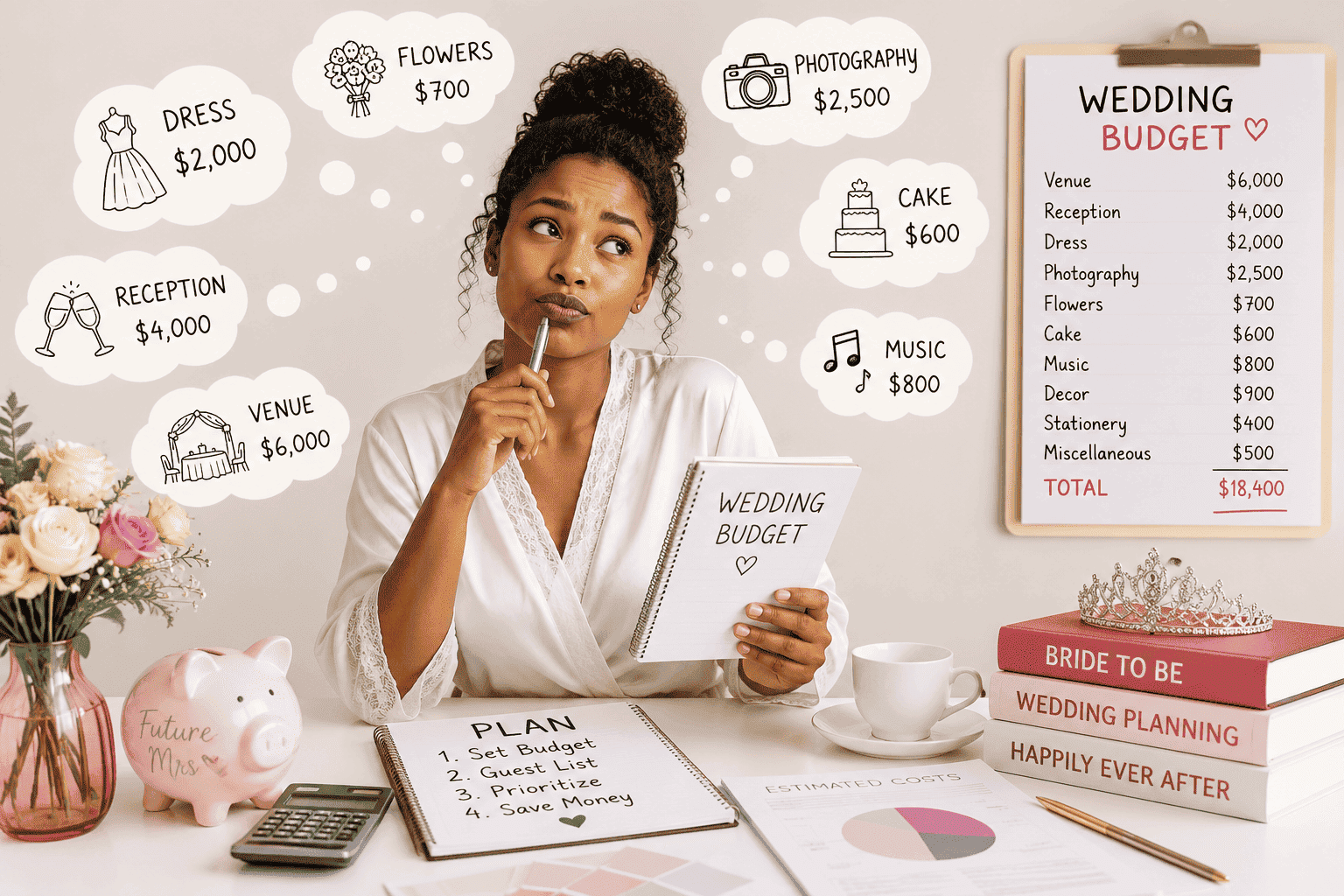
Planning a wedding is one of the few times in life when you can spend the price of a brand-new car… and end up with just one day of memories, a mountain of photos, and a mysterious collection of decorative candles you’ll never use again.
The moment you announce your engagement, everyone suddenly becomes a financial advisor. Your aunt insists you need a chocolate fountain. Your cousin swears a live alpaca entrance is “totally trending.” Your best friend says the drone fireworks are “worth every penny.” Meanwhile, your bank account quietly whispers, “Please don’t do this to me.”
Here’s the truth: weddings have a magical ability to make ordinary things sound outrageously expensive. A regular cake? $50. A wedding cake? Somehow it now costs as much as a weekend vacation. Flowers that normally sit happily in a grocery store suddenly develop luxury status the moment they’re labeled “bridal bouquet.” Even chairs seem to charge extra simply because people are wearing formal clothes while sitting on them.
The good news is that you don’t need to empty your savings account—or convince your future children they’ll have to pay off your wedding debt someday—to have an unforgettable celebration. A beautiful wedding isn’t measured by how much money you spend; it’s measured by the joy you share with the people you love.
Learning how to budget for a wedding is really about making smart choices. It’s deciding where to splurge, where to save, and where to politely smile when someone suggests renting a horse-drawn carriage that costs more than your monthly rent.

In this guide, you’ll learn how to create a realistic wedding budget, prioritize the expenses that matter most, avoid common money traps, and discover practical ways to save without sacrificing the magic of your big day. Whether you’re planning an intimate backyard ceremony or a grand celebration, these budgeting tips will help you say “I do” without having to say, “I still owe money for the centerpieces.”
After all, the goal is to start your marriage with happy memories—not monthly payments that last longer than the honeymoon. If you’re new to budgeting, our complete guide on how to make a budget explains how to create a spending plan that works for weddings and other major life events.
Why a Wedding Budget Matters?
A wedding is one of life’s biggest milestones, but it can also become one of the biggest financial challenges if you don’t have a plan. Creating a wedding budget isn’t about limiting your dreams—it’s about making informed decisions so you can celebrate your special day without unnecessary financial stress.
Without a budget, it’s surprisingly easy for small expenses to snowball into thousands of dollars. You may think adding upgraded decorations, premium catering, a live band, or personalized wedding favors won’t make much difference. However, when all those extras are combined, they can quickly push your spending far beyond what you originally intended.
A well-planned budget gives you complete control over your finances. It helps you determine how much you can realistically afford, identify your highest priorities, and allocate money to the parts of the wedding that matter most to you. Whether that’s an unforgettable venue, stunning photography, or an amazing honeymoon, a budget ensures your money is spent intentionally rather than impulsively.
Budgeting also reduces disagreements between couples and family members who may be contributing financially. When everyone understands the spending limits and priorities from the beginning, it’s easier to make decisions together and avoid misunderstandings later in the planning process.
Perhaps the biggest benefit of having a wedding budget is the peace of mind it provides. Instead of constantly worrying about unexpected bills or last-minute costs, you can focus on enjoying the planning experience and celebrating your relationship.
Remember, your guests won’t remember how much you spent on the table centerpieces or whether your napkins matched the flowers perfectly. They’ll remember the laughter, the love, the meaningful moments, and the happiness you shared together. A smart wedding budget allows you to create those unforgettable memories while protecting your financial future.
Quick Guide To Set Your Total Wedding Budget
Before you book a venue, taste cakes, or fall in love with a dress that’s more expensive than your car, the first step is deciding exactly how much you can afford to spend. Your total wedding budget is the foundation for every financial decision you’ll make throughout the planning process.
A common mistake many couples make is choosing vendors first and worrying about the cost later. Unfortunately, that’s one of the fastest ways to overspend. Instead, determine your spending limit before making any commitments.
Calculate Your Available Funds
Start by listing every source of money available for the wedding. This may include:
- Your personal savings
- Your partner’s savings
- Contributions from parents or family members
- Wedding-specific savings goals
- Cash gifts you’ve already received
Add these amounts together to determine your maximum budget. Be realistic—only include money that is actually available or that you can comfortably save before the wedding date.
Avoid Starting Your Marriage in Debt
A wedding lasts a day, but debt can last for years. While it may be tempting to finance your dream celebration with credit cards or personal loans, borrowing money for a wedding can create unnecessary financial stress after the honeymoon.
If your dream wedding exceeds your budget, consider adjusting the guest list, choosing a more affordable venue, or prioritizing the elements that matter most rather than increasing your debt.
Follow the 80/20 Rule
A helpful strategy is to spend about 80% of your budget on planned expenses and keep the remaining 20% as a cushion. Weddings often come with unexpected costs, such as:
- Vendor gratuities
- Last-minute attire alterations
- Extra decorations
- Transportation changes
- Overtime charges
- Unexpected guest additions
Having a financial buffer means these surprises won’t derail your budget.
Match Your Budget to Your Priorities
Every couple values different aspects of their wedding. Some dream of incredible photography, while others care most about great food, live entertainment, or a stunning venue.
Decide together what matters most and allocate a larger portion of your budget to those priorities. For less important areas, look for opportunities to save without affecting the overall experience.
Review Your Budget Regularly
Your wedding budget isn’t something you create once and forget. Track every deposit and payment as you book vendors. Update your budget spreadsheet regularly so you always know how much you’ve spent and how much remains.
By monitoring your expenses throughout the planning process, you’ll avoid unpleasant surprises and stay in control of your finances.
Create a Wedding Budget Breakdown
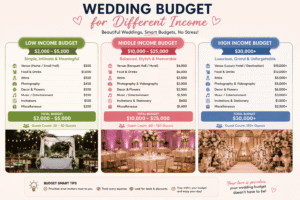
One of the easiest ways to stay on budget is to divide your total wedding budget into spending categories. Instead of guessing how much each part of your wedding will cost, assign a percentage of your wedding budget to each expense. This helps you prioritize what matters most while avoiding overspending in one area.
Below is a sample wedding budget breakdown that works for most couples.
| Wedding Expense | Recommended Budget Percentage |
| Venue | 25-35% |
| Catering & Drinks | 20-30% |
| Photography & Videography | 10-15% |
| Attire (Bride & Groom) | 5-10% |
| Flowers & Decorations | 5-10% |
| Entertainment (DJ/Band) | 5-10% |
| Wedding Cake & Desserts | 2-5% |
| Invitations & Stationery | 2-4% |
| Hair, Makeup & Beauty | 2-5% |
| Transportation | 1-3% |
| Wedding Rings | 2-5% |
| Marriage License & Legal Fees | Less than 1% |
| Wedding Favors & Gifts | 1-3% |
| Miscellaneous & Emergency Fund | 5-10% |
Step-by-Step Guide: How to Budget for a Wedding
Step 1: Determine Your Total Wedding Budget
Start by deciding how much you can realistically afford to spend. Include:
- Your personal savings
- Contributions from family members
- Any funds you’ve already set aside
Avoid relying on loans or credit cards unless you have a clear repayment plan.
Step 2: Decide Who Is Paying
Have an open conversation about who will contribute to the wedding costs. Common contributors include:
- The couple
- Parents or relatives
- Other family members
Knowing who is paying for what helps prevent misunderstandings later.
Step 3: Estimate Your Guest Count
Your guest list is one of the biggest factors affecting your budget. More guests mean:
- A larger venue
- More food and drinks
- More invitations
- More tables, chairs, and decorations
Create a preliminary guest list before booking vendors.
Step 4: List Your Wedding Priorities
Decide what matters most to both of you. Examples include:
- A dream venue
- Professional photography
- Great food
- Live entertainment
- Designer attire
Spend more on your top priorities and cut back on less important items.
Step 5: Create a Wedding Budget Breakdown
Allocate your budget across major categories. A sample allocation might look like:
| Category | Suggested Percentage |
| Venue | 30% |
| Catering & Drinks | 25% |
| Photography & Video | 12% |
| Attire | 8% |
| Flowers & Decorations | 8% |
| Entertainment | 7% |
| Stationery | 3% |
| Miscellaneous | 7% |
Step 6: Research Vendor Prices
Request quotes from several vendors before making decisions. Compare:
- Pricing
- Packages
- Reviews
- Availability
- What’s included
Don’t book the first option you find without comparing alternatives.
Step 7: Track Every Expense
Use a spreadsheet or budgeting app to record:
- Estimated costs
- Actual costs
- Deposits paid
- Remaining balances
- Payment due dates
Review your budget regularly to stay on track.
Step 8: Set Aside an Emergency Fund
Unexpected costs almost always arise. Reserve 5–10% of your total budget for last-minute expenses, such as:
- Vendor overtime
- Extra guests
- Weather-related changes
- Alterations or accessories
Step 9: Find Smart Ways to Save
Reduce costs without sacrificing the experience by:
- Choosing an off-season wedding date
- Booking vendors early
- Limiting the guest list
- Using digital invitations
- Buying pre-owned or renting attire
- Creating some DIY decorations
- Negotiating vendor packages
Step 10: Avoid Wedding Debt
Celebrate within your means. Remember:
- A meaningful wedding doesn’t have to be expensive.
- Focus on creating lasting memories rather than impressing guests.
- Starting married life without financial stress is one of the best gifts you can give yourselves.
Step 11: Review Your Budget Before the Big Day
A few weeks before the wedding:
- Confirm all vendor payments.
- Check for any outstanding balances.
- Update your budget with final costs.
- Ensure your emergency fund is still available if needed.
A final review helps prevent surprises and keeps everything organized.
Hidden Wedding Costs Most Couples Forget
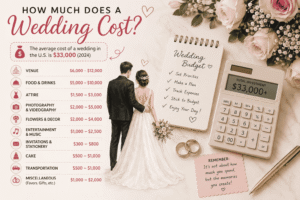
No matter how carefully you plan, weddings have a sneaky way of introducing expenses you never saw coming. You’ve budgeted for the venue, catering, and photographer—but what about the vendor meals, alteration fees, or postage for those invitations?
These overlooked costs may seem small on their own, but together they can add hundreds or even thousands of dollars to your wedding budget. Knowing about them in advance helps you avoid last-minute financial surprises.
1. Vendor Tips and Gratuities
Many couples forget to budget for tips. Depending on your contracts and local customs, you may want to tip your photographer, hairstylist, makeup artist, delivery staff, drivers, DJs, servers, and wedding coordinator.
2. Dress Alterations
Wedding attire often requires alterations for the perfect fit. Brides, grooms, bridesmaids, and groomsmen may all need tailoring, which can significantly increase clothing costs.
3. Marriage License Fees
A marriage license is a legal requirement in most places, and the fee varies by location. Some couples also need certified copies after the ceremony.
4. Vendor Meals
If your photographer, videographer, band, DJ, or planner will be working during the reception, many contracts require that you provide them with a meal.
5. Taxes and Service Charges
Venue rental, catering, and other services often have sales tax and service fees added after the quoted price. These charges can increase your final bill considerably.
6. Invitation Extras
The invitation itself isn’t the only expense. Don’t forget:
- RSVP cards
- Envelopes
- Envelope liners
- Wax seals
- Calligraphy
- Postage
- International mailing costs (if applicable)
7. Hair and Makeup Trials
Most brides schedule trial sessions before the wedding day. These appointments are usually charged separately from the wedding-day service.
8. Beauty Treatments
Pre-wedding beauty expenses can add up quickly, including:
- Haircuts or coloring
- Facials
- Manicures and pedicures
- Waxing
- Teeth whitening
- Spray tans
9. Wedding Rings
Many budgets include only the engagement ring and forget to account for wedding bands, engraving, resizing, and ring insurance.
10. Cake Delivery and Setup
Some bakeries charge additional fees for delivering, assembling, and decorating the cake at your venue.
11. Decoration Setup and Cleanup
Decorating isn’t always included in the venue rental. You may need to hire staff to set up decorations, move furniture, or clean up afterward.
12. Transportation
Beyond the couple’s transportation, consider parking fees, shuttle buses, guest transportation, fuel, tolls, and late-night rides.
If you’re interested in government or travel-related cashback programs, you may also want to read our guide on M5 Cashback, which explains who qualifies, how it works, and how to claim eligible savings.
13. Overtime Charges
If your celebration runs longer than planned, vendors such as photographers, DJs, videographers, and venues may charge hourly overtime fees.
14. Guest Welcome Bags
Destination weddings often include welcome bags filled with snacks, water, maps, or local gifts. These thoughtful touches can become surprisingly expensive.
15. Last-Minute Purchases
Unexpected items often pop up in the final weeks, including:
- Umbrellas for bad weather
- Extra decorations
- Safety pins
- Fashion tape
- Sewing kits
- Batteries
- Extension cords
- Phone chargers
- Emergency medicine
16. Honeymoon Extras
Even if you’ve budgeted for flights and hotels, remember to include travel insurance, airport transfers, meals, souvenirs, excursions, baggage fees, and spending money.
17. Thank-You Cards
After the wedding, you’ll likely send thank-you cards to guests. Include the cost of cards, envelopes, printing, and postage in your overall budget.
18. Wedding Insurance
Wedding insurance can protect your investment against cancellations, severe weather, vendor issues, or property damage. While optional, it may provide valuable peace of mind.
Pro Tip
Set aside 5% to 10% of your total wedding budget as a contingency fund for unexpected expenses. If you don’t need it, that’s extra money you can put toward your honeymoon, savings, or future goals. It’s always better to have a financial cushion than to scramble for cash in the final days before your wedding.
Ways to Save Money on Your Wedding
A memorable wedding doesn’t have to come with a jaw-dropping price tag. The happiest weddings are rarely remembered for how much they cost—they’re remembered for the laughter, love, and people who shared the day with you.
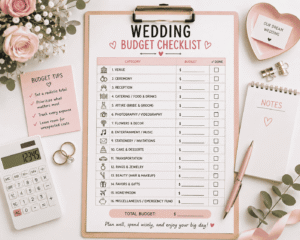
With thoughtful planning and a few smart compromises, you can celebrate your big day while keeping your finances intact.
1. Set a Firm Budget and Stick to It
Before booking anything, decide on the maximum amount you’re willing to spend. Divide your budget into categories such as venue, catering, attire, photography, and decorations. Avoid increasing your budget every time you find something “too good to pass up.”
2. Keep Your Guest List Small
Every additional guest increases costs for food, drinks, seating, invitations, and favors. Inviting only your closest family and friends can significantly reduce your overall expenses while creating a more intimate celebration.
3. Choose an Off-Peak Wedding Date
Wedding venues and vendors often charge less during weekdays, Sundays, or the off-season. Avoiding popular wedding months can lead to substantial savings.
4. Select an Affordable Venue
Instead of luxury hotels or exclusive event halls, consider community centers, gardens, parks, family homes, or small local venues. These locations can provide beautiful settings at a fraction of the cost.
5. Compare Multiple Vendors
Never hire the first vendor you find. Request quotes from several photographers, caterers, florists, DJs, and decorators. Comparing prices helps you find quality services that fit your budget.
6. DIY Where It Makes Sense
Create your own invitations, welcome signs, table numbers, or simple centerpieces. Friends and family may also be happy to help with decorating or assembling favors before the wedding.
7. Rent Instead of Buying
Items like suits, décor, table linens, chairs, arches, and even designer wedding dresses can often be rented for much less than purchasing them outright.
8. Simplify Your Decorations
A beautiful venue often requires minimal decoration. Focus on a few eye-catching pieces instead of filling every corner with expensive flowers and ornaments.
9. Choose Seasonal Flowers
Flowers that are in season are generally more affordable and readily available. Mixing fresh flowers with greenery can also create elegant arrangements while lowering costs.
10. Save on Food and Drinks
Buffet-style meals, brunch receptions, or limited menu options are usually more affordable than formal multi-course dinners. You can also reduce costs by offering beer, wine, and a signature cocktail instead of a full open bar.
11. Skip Expensive Wedding Favors
Many guests appreciate the celebration more than the souvenirs. If you choose to give favors, keep them simple, practical, and affordable.
12. Buy a Pre-Owned or Sample Wedding Dress
Many bridal boutiques sell sample dresses at significant discounts. Pre-owned gowns can also look stunning while costing far less than brand-new designer dresses.
13. Use Digital Invitations
Digital invitations save money on printing, postage, and mailing while making it easy to track RSVPs.
14. Book Vendors Early
Many vendors increase their prices as dates fill up. Booking early often secures better rates and gives you more options.
15. Ask Talented Friends for Help
If someone you know is a skilled baker, photographer, musician, or makeup artist, they may be willing to help as a wedding gift. Be respectful of their time and don’t assume they’ll work for free unless they offer.
16. Reuse Decorations
Ceremony flowers can often be moved to the reception venue. Decorative signs, candles, and centerpieces can serve multiple purposes throughout the day.
17. Avoid Last-Minute Purchases
Rushed decisions usually cost more. Planning ahead gives you time to compare prices, wait for sales, and avoid paying premium fees.
18. Track Every Expense
Use a spreadsheet or wedding budgeting app to record every payment and deposit. Monitoring your spending regularly helps prevent unpleasant surprises.
19. Focus on What Matters Most
Spend more on the parts of your wedding that matter most to you as a couple, and cut back on areas that aren’t as important. Your budget should reflect your priorities—not someone else’s expectations.
20. Remember the Marriage Is More Important Than the Wedding
It’s easy to get caught up in chasing the “perfect” wedding, but the true celebration is the life you’ll build together. Starting your marriage without unnecessary debt can be one of the best financial gifts you give yourselves.
Budgeting Apps and Wedding Planning Tools
Creating a wedding budget with a notebook and calculator still works, but modern budgeting apps and wedding planning tools can save you time, reduce stress, and help you stay organized from your engagement to your wedding day.
These tools allow you to track expenses, monitor payments, manage guest lists, create seating charts, set reminders for vendor payments, and compare your actual spending against your planned budget. Instead of wondering where your money went, you’ll always have a clear picture of your finances.
Benefits of Using Wedding Budgeting Tools
- Keep all your wedding expenses in one place.
- Track deposits, balances, and payment due dates.
- Prevent overspending with spending alerts.
- Estimate costs based on your guest count.
- Organize vendor information and contracts.
- Share your budget with your partner or family members.
- Reduce the risk of forgetting important payments.
Popular Wedding Planning Apps
Several wedding planning platforms include built-in budgeting features, making it easier to manage every aspect of your wedding.
Some of the most popular options include:
- The Knot – Offers a free wedding budget calculator, customizable checklist, guest list management, and vendor directory.
- Zola – Combines wedding planning with registry management, guest tracking, and budgeting features.
- WeddingWire – Helps couples estimate wedding costs, manage vendors, and stay on top of their budget.
- Bridebook – Provides budgeting tools, planning timelines, and spending reports in an easy-to-use interface.
- Joy – Best known for wedding websites and guest communication, while also helping couples stay organized.
General Budgeting Apps
If you prefer managing your finances outside of a wedding-specific platform, personal budgeting apps can also help.
Popular choices include:
- YNAB (You Need A Budget)
- EveryDollar
- Goodbudget
- PocketGuard
- Monarch Money
These apps allow you to create a dedicated wedding category, monitor savings goals, and ensure your wedding expenses don’t interfere with your everyday financial responsibilities.
Don’t Rely Only on Technology
While budgeting apps are incredibly useful, they work best when you consistently update them. Record every payment, even small purchases like decorations, tips, or postage for invitations. Small expenses can add up quickly and throw your budget off if they’re ignored.
It’s also wise to keep digital copies of receipts, vendor contracts, and payment confirmations. Having everything organized in one place can save you time and prevent misunderstandings later.
Frequently Asked Questions (FAQs)
How much should I budget for a wedding?
The amount depends on your income, savings, and priorities. Rather than aiming for an average wedding cost, decide what you can comfortably afford without taking on unnecessary debt. A realistic budget is one that fits your financial situation.
Can cashback help reduce wedding costs?
Yes. While cashback won’t pay for your entire wedding, it can help you save money on eligible purchases such as decorations, wedding attire, invitations, travel, and honeymoon bookings. Choosing the right cashback offers alongside your wedding budget can reduce your overall expenses without changing your plans. Learn more in our ultimate guide to cashback on every purchase.
What is the 30-5 minute rule for weddings?
The 30-5 minute rule is a planning guideline that recommends arriving about 30 minutes before the ceremony begins and allowing at least 5 minutes of buffer time between scheduled events. While it helps reduce stress on the wedding day, it is not a budgeting rule.
What is the biggest wedding expense?
For most weddings, the venue and catering are the largest expenses, often accounting for 40–50% of the total budget. The guest count has a major impact on these costs, so keeping your guest list manageable can significantly reduce spending.
How can I save money on a wedding?
You can save money by setting a firm budget, limiting the guest list, choosing an off-season wedding date, comparing vendor quotes, using digital invitations, considering DIY decorations, and prioritizing the elements that matter most to you.
Is it okay to finance a wedding?
While financing is an option, it’s generally best to avoid going into debt for a wedding. Paying with savings or a realistic monthly budget can help you start your marriage on stronger financial footing.
Who traditionally pays for a wedding?
Traditionally, the bride’s family covered most wedding expenses. Today, many couples pay for the wedding themselves, while others share costs with both families. There is no single right approach—what matters is agreeing on a plan that works for everyone involved.
Should I include an emergency fund in my wedding budget?
Yes. Setting aside 5–10% of your total budget for unexpected expenses can help cover last-minute costs without disrupting your financial plan.
How early should I start budgeting for my wedding?
Ideally, start budgeting as soon as you become engaged. Beginning 12–18 months before the wedding gives you more time to save, compare vendors, and spread out payments.
How can I track my wedding expenses?
Use a spreadsheet, budgeting app, or wedding planning tool to record every expense, deposit, and remaining balance. Regularly reviewing your budget helps prevent overspending.
Is a small wedding cheaper than a large wedding?
In most cases, yes. A smaller guest list usually means lower costs for the venue, catering, invitations, favors, and rentals, making it one of the most effective ways to reduce your wedding budget.