Think budgeting means eating instant noodles forever? Think again! Learn how to make a budget that actually works, save more money, cut unnecessary spending, and take control of your finances without giving up all the fun.
Let’s be honest—most of us have checked our bank account and immediately blamed a “bank error,” only to remember the late-night online shopping spree, the daily coffee runs, and that food delivery we definitely didn’t need. Money has a funny way of disappearing faster than your motivation to go to the gym on a Monday.
The good news? Budgeting isn’t about turning your life into a financial prison where every dollar needs permission to breathe. It’s simply a plan that tells your money where to go instead of wondering where it went. Think of a budget as your wallet’s personal trainer: it may ask you to skip a few unnecessary treats, but it helps your finances get stronger over time.
Whether you’re trying to pay off debt, save for a dream vacation, build an emergency fund, or simply make it to payday without living on instant noodles, this guide will walk you through exactly how to make a budget that fits your lifestyle. No confusing financial jargon, no impossible rules—just practical steps, smart tips, and a few laughs along the way.
What Is A Budget?
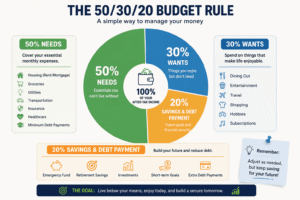
A budget is a financial plan that helps you decide how you’ll earn, spend, save, and manage your money over a specific period, such as a week, month, or year. It gives every dollar a purpose so you can cover your essential expenses, prepare for future needs, and work toward your financial goals without overspending.
Benefits of Budgeting and Why It Is Important
A budget is more than just a list of numbers—it’s a financial roadmap that helps you take control of your money instead of wondering where it all went. Whether you’re saving for a major purchase, paying off debt, budgeting provides the structure needed to make informed financial decisions.
1. Gives You Control Over Your Money
Budgeting helps you decide where your money goes rather than letting your spending habits make those decisions for you. Every dollar has a purpose, making it easier to prioritize what matters most.
2. Helps You Avoid Overspending
Tracking your income and expenses allows you to recognize spending patterns and identify areas where you can cut back. This reduces the risk of living beyond your means.
3. Makes Saving Easier
A budget encourages you to set aside money regularly for short-term and long-term goals, such as an emergency fund, a vacation, a home, or retirement.
4. Reduces Financial Stress
Knowing you have a plan for paying bills and meeting financial obligations can reduce anxiety and give you greater peace of mind.
5. Helps You Pay Off Debt Faster
Budgeting lets you allocate extra money toward credit cards, personal loans, or other debts while ensuring you continue to meet your essential expenses.
6. Prepares You for Unexpected Expenses
Life is unpredictable. Budgeting helps you build an emergency fund so you’re better prepared for medical bills, car repairs, job loss, or other unexpected costs.
7. Improves Financial Decision-Making
With a clear picture of your finances, you can make informed choices about spending, saving, and investing instead of relying on guesswork.
8. Helps You Reach Financial Goals
Whether your goal is buying a car, starting a business, traveling, getting married or purchasing a home, a budget helps you create a realistic savings plan and measure your progress.
By setting aside a little money each month, you’ll be in a much stronger financial position when the big day arrives. If a wedding is in your future, don’t miss our detailed How to Budget for a Wedding guide, where you’ll learn practical ways to keep costs under control without sacrificing the celebration you’ve imagined.
9. Prevents Missed Bills and Late Fees
A budget reminds you of upcoming expenses and due dates, making it less likely that you’ll miss payments or incur unnecessary penalties.
10. Encourages Better Spending Habits
Regular budgeting helps you distinguish between needs and wants, making it easier to spend intentionally and avoid impulse purchases.
11. Increases Financial Confidence
As you consistently follow your budget and achieve your financial goals, you’ll gain confidence in your ability to manage money effectively.
12. Helps Families Manage Household Finances
For couples and families, budgeting promotes transparency and teamwork. Everyone understands the household’s financial priorities and works toward shared goals.
13. Supports Long-Term Financial Security
Consistent budgeting contributes to building wealth over time by encouraging saving, investing, and responsible spending habits.
Common Budgeting Myths
Budgeting is one of the best ways to take control of your finances, yet many people avoid it because of common misconceptions. Understanding the truth behind these myths can make budgeting feel less intimidating and more achievable.
1. Myth: Budgeting Is Only for People Who Are Struggling Financially
Reality: Budgeting is for everyone, regardless of income. High earners, business owners, and financially successful people use budgets to manage spending, save for goals, and build wealth.
2. Myth: A Budget Means You Can’t Have Fun
Reality: A good budget doesn’t eliminate entertainment—it plans for it. You can include money for dining out, hobbies, vacations, and other enjoyable activities without overspending.
3. Myth: Budgeting Is Too Complicated
Reality: Creating a budget can be as simple as listing your income and expenses. You don’t need advanced math skills or expensive software to get started.
4. Myth: I Don’t Earn Enough to Budget
Reality: Budgeting is often even more important when money is tight. It helps you prioritize essential expenses, reduce unnecessary spending, and make the most of every dollar.
5. Myth: Budgets Are Too Restrictive
Reality: A budget gives you control over your money instead of letting your money control you. It’s a flexible spending plan that you can adjust as your needs change.
6. Myth: I Only Need a Budget If I Have Debt
Reality: While budgeting can help you pay off debt, it’s also useful for saving, investing, planning major purchases, and preparing for unexpected expenses.
7. Myth: Budgeting Takes Too Much Time
Reality: Setting up your first budget may take an hour or two, but maintaining it often requires just a few minutes each week to review your spending.
8. Myth: I Can Keep Everything in My Head
Reality: It’s easy to underestimate expenses or forget recurring bills. Writing down your budget or using a budgeting app provides a clearer picture of your finances.
9. Myth: If I Overspend Once, My Budget Has Failed
Reality: Everyone makes mistakes. Overspending occasionally doesn’t mean you should give up. Review what happened, adjust your budget, and continue moving toward your financial goals.
10. Myth: Budgeting Means You Can’t Use Credit Cards
Reality: Credit cards can be part of a healthy budget if you use them responsibly and pay off the balance in full each month to avoid interest charges.
11. Myth: Budgets Never Change
Reality: Your budget should evolve as your income, expenses, and financial goals change. Regular reviews help keep your budget accurate and effective.
12. Myth: Budgeting Is Only About Cutting Expenses
Reality: Budgeting isn’t just about spending less—it’s about spending wisely. It also helps you increase savings, invest, prepare for emergencies, and allocate money toward what matters most.
Signs You Need a Budget
Not sure whether you need a budget? The truth is that almost everyone can benefit from one. A budget isn’t just for people who are struggling financially—it’s a tool that helps you understand where your money goes and gives you more control over your finances. Here are some common signs that it’s time to create a budget.
1. You Don’t Know Where Your Money Goes
If your paycheck seems to disappear before the month ends and you’re not sure what you spent it on, that’s a strong indicator you need a budget. Tracking your income and expenses helps identify spending patterns and areas where you can save.
2. You Live Paycheck to Paycheck
If you rely on your next paycheck to cover everyday expenses, a budget can help you prioritize essential costs, reduce unnecessary spending, and gradually build financial stability.
3. You Frequently Overspend
Do you often spend more than you planned when shopping or dining out? A budget sets spending limits and helps you make more intentional purchasing decisions.
4. You’re Struggling to Save Money
If your savings account rarely grows despite earning a steady income, a budget can help you allocate a fixed amount toward savings before spending on non-essential items.
5. You Carry High Credit Card or Loan Debt
Using credit to pay for everyday expenses or struggling to make debt payments is a sign that your finances may be out of balance. Budgeting helps you create a repayment plan while avoiding additional debt.
6. You Miss Bill Payments
Late payments can result in fees, higher interest rates, and damage to your credit score. A budget helps you organize due dates and ensures you set aside money for recurring bills.
7. You Have No Emergency Fund
Unexpected expenses, such as medical bills or car repairs, can quickly become financial emergencies if you don’t have savings. Budgeting allows you to gradually build an emergency fund for life’s surprises.
8. Your Income Changes Frequently
Freelancers, self-employed workers, and commission-based employees often have fluctuating incomes. A flexible budget can help you plan for both high-income and low-income months.
9. You Feel Stressed About Money
Constantly worrying about bills, debt, or making ends meet is a sign that you need a clearer financial plan. A budget provides structure and reduces uncertainty by showing exactly where your money should go.
10. You Can’t Reach Your Financial Goals
Whether you’re saving for a home, vacation, education, or retirement, achieving financial goals requires planning. A budget helps you allocate money consistently toward your priorities.
11. You Make Impulse Purchases
If you regularly buy things you didn’t plan for and later regret the purchase, budgeting can help you distinguish between wants and needs while encouraging mindful spending.
12. You Avoid Looking at Your Bank Account
If checking your account balance makes you anxious because you’re unsure how much money is left, a budget can give you confidence by helping you stay on top of your finances.
Note: A good budget isn’t just about cutting expenses—it’s also about taking advantage of free perks. Restaurant and coffee shop loyalty programmes can help reduce small discretionary spending, especially if you regularly buy coffee. One popular example is the Starbucks birthday reward offer, which lets eligible members enjoy a complimentary birthday treat. Little savings like these may seem minor, but they can add up over the course of a year.
Financial Information Needed To Make A Budget Successful.
Before creating a budget, it’s important to gather all of your financial information. Having everything in one place makes it easier to build an accurate budget and avoid overlooking expenses.
Financial Information Needed to Make a Budget
1. Income Records
List every source of money you receive, such as:
- Salary or wages
- Freelance or self-employment income
- Business income
- Bonuses and commissions
- Pension or retirement income
- Government benefits
- Child support or alimony
- Rental income
- Investment dividends or interest
- Any other regular income
2. Bank Statements
Gather the last 3–6 months of statements to review:
- Deposits
- Withdrawals
- Transfers
- Recurring payments
- Spending patterns
3. Credit Card Statements
Review recent statements to identify:
- Monthly spending
- Interest charges
- Minimum payments
- Recurring subscriptions
4. Monthly Bills
Collect all recurring bills, including:
- Rent or mortgage
- Electricity
- Water
- Gas
- Internet
- Mobile phone
- Cable or streaming services
- Insurance premiums
- Childcare
- Gym memberships
5. Debt Information
Record details for every debt:
- Credit cards
- Student loans
- Personal loans
- Car loans
- Mortgage
- Buy Now, Pay Later (BNPL) balances
Include:
- Current balance
- Interest rate
- Minimum monthly payment
- Due date
6. Savings and Investment Accounts
Know how much you’ve already saved by reviewing:
- Emergency fund
- Savings accounts
- Retirement accounts
- Investment portfolios
- Certificates of deposit (CDs), if applicable
7. Essential Living Expenses
Estimate your average monthly costs for:
- Groceries
- Transportation
- Fuel
- Public transport
- Medical expenses
- Household supplies
- Personal care
8. Variable and Discretionary Spending
Review spending on non-essential items, such as:
- Dining out
- Entertainment
- Shopping
- Hobbies
- Travel
- Gifts
- Coffee and snacks
9. Annual or Irregular Expenses
Include expenses that don’t occur every month, such as:
- Car registration
- Vehicle maintenance
- Home repairs
- Property taxes
- Holiday gifts
- School fees
- Vacations
- Professional memberships
10. Financial Goals
Write down what you’re budgeting for, such as:
- Building an emergency fund
- Paying off debt
- Buying a home
- Saving for a car
- Retirement
- Education
- Starting a business
- Taking a vacation
11. Upcoming Large Expenses
Plan ahead for major purchases or events, including:
- Weddings
- Home renovations
- New appliances
- Medical procedures
- Moving costs
Budgeting Checklist
Before creating your budget, make sure you have:
- ✔️ Recent pay stubs or income records
- ✔️ Bank statements
- ✔️ Credit card statements
- ✔️ Monthly bills
- ✔️ Loan and debt information
- ✔️ Savings and investment balances
- ✔️ A list of monthly expenses
- ✔️ Annual or irregular expenses
- ✔️ Your financial goals
- ✔️ A budgeting app, spreadsheet, or notebook
Having this information ready will help you create a realistic budget that reflects your actual financial situation and makes it easier to control spending, save consistently, and achieve your financial goals.
Step-by-Step Guide: How to Make a Budget
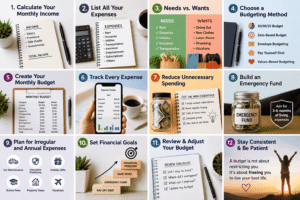
Creating a budget doesn’t have to be complicated. Follow these simple steps to take control of your money.
Step 1: Calculate Your Monthly Income
Start by determining how much money you receive each month after taxes.
Include:
- Salary or wages
- Freelance income
- Business income
- Side hustles
- Government benefits
- Investment income (if applicable)
Example:
- Salary: $3,200
- Freelance work: $500
- Total monthly income: $3,700
Step 2: List All Your Expenses
Write down everything you spend money on each month.
Examples include:
- Rent or mortgage
- Utilities
- Groceries
- Transportation
- Insurance
- Phone and internet
- Entertainment
- Dining out
- Subscriptions
- Debt payments
- Savings
Review your bank and credit card statements from the last 2–3 months to avoid missing recurring expenses.
Step 3: Separate Fixed and Variable Expenses
Fixed Expenses
These stay about the same each month.
- Rent
- Mortgage
- Car payment
- Insurance
- Loan payments
- Internet
Variable Expenses
These can change from month to month.
- Food
- Fuel
- Shopping
- Entertainment
- Eating out
- Utilities
This helps you identify areas where you can cut back if needed.
Step 4: Identify Needs vs. Wants
Needs
Essential expenses you must pay.
- Housing
- Utilities
- Food
- Healthcare
- Transportation
- Minimum debt payments
Wants
Non-essential spending.
- Streaming services
- Vacations
- Dining out
- Designer clothing
- Gaming
- Premium subscriptions
Prioritize needs before allocating money to wants.
Step 5: Set Financial Goals
Decide what you want your budget to achieve.
Short-Term Goals
- Save for a vacation
- Build a $1,000 emergency fund
- Pay off a credit card
Long-Term Goals
- Buy a home
- Save for retirement
- Start a business
- Fund your child’s education
Clear goals make it easier to stay motivated.
Step 6: Choose a Budgeting Method
Select a budgeting system that matches your lifestyle.
Popular options include:
- 50/30/20 Budget (Needs, Wants, Savings)
- Zero-Based Budget
- Envelope Budgeting
- Pay Yourself First
- Values-Based Budgeting
The best method is the one you can consistently follow.
Step 7: Create Your Budget
Assign every dollar of your income to a category. Your total planned expenses should not exceed your monthly income.
Step 8: Track Your Spending
Record every purchase throughout the month.
You can use:
- A notebook
- A spreadsheet
- A budgeting app
- Your banking app
Tracking helps you compare your actual spending with your budget.
Step 9: Cut Unnecessary Expenses
Look for areas where you can save money.
Ideas include:
- Cancel unused subscriptions
- Cook at home more often
- Compare insurance rates
- Buy generic brands
- Reduce impulse purchases
- Use coupons or cashback offers
Small savings can add up over time.
Step 10: Build an Emergency Fund
Set aside money for unexpected expenses, such as:
- Medical bills
- Car repairs
- Home maintenance
- Job loss
Aim to save 3–6 months of essential living expenses over time.
Step 11: Plan for Irregular Expenses
Some costs don’t occur every month.
Examples:
- Holiday gifts
- School fees
- Annual insurance premiums
- Vehicle registration
- Property taxes
- Vacations
Divide the annual cost by 12 and save that amount each month.
Step 12: Pay Off Debt Strategically
Include debt payments in your budget.
Popular repayment methods:
- Debt Snowball: Pay off the smallest balance first for quick wins.
- Debt Avalanche: Pay off the highest-interest debt first to reduce total interest.
Continue making at least the minimum payment on all debts.
Step 13: Review and Adjust Your Budget Monthly
Your budget should evolve as your circumstances change.
Review it each month and adjust for:
- Income changes
- New expenses
- Financial goals
- Seasonal spending
A budget works best when it’s a living plan rather than a one-time exercise.
How to Stick to Your Budget
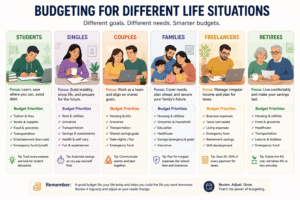
Creating a budget is only the first step—sticking to it is what helps you reach your financial goals.
That’s why it’s helpful to see how budgeting works in real-life situations. For example, if you’re a college student living on a tight allowance, every dollar counts. Learning how to prioritize essentials like groceries, transportation, and study materials can make the difference between running out of money on Wednesday and having enough to last until the weekend.
If you’re looking for a practical example, check out our guide on How to Budget $500 for a Week as a Student. It walks you through a realistic weekly spending plan, smart grocery shopping tips, and simple ways to stretch a limited budget without sacrificing your basic needs. Whether you’re a student or simply trying to live on a fixed income, the strategies in that guide can help you put the budgeting principles you’ve learned here into action.
1. Set Realistic Spending Limits
A budget should fit your lifestyle. If you set spending limits that are too strict, you’re more likely to give up. Be honest about your income and expenses, and leave room for occasional treats or unexpected costs.
2. Track Your Spending Regularly
Review your expenses daily or weekly to see where your money is going. Tracking your spending helps you catch small problems before they become big ones and keeps you accountable.
3. Pay Yourself First
Treat your savings like a required bill. Set up automatic transfers to your savings account as soon as you receive your income so you’re consistently working toward your financial goals.
4. Avoid Impulse Purchases
Before buying something you didn’t plan for, wait at least 24 hours. This “cooling-off” period can help you decide whether the purchase is a need or just a temporary want.
5. Use Cash for Certain Categories
If you tend to overspend on things like dining out, entertainment, or shopping, consider using cash. Once the cash is gone, stop spending in that category until your next budget period.
6. Build an Emergency Fund
Unexpected expenses can quickly derail a budget. Having an emergency fund helps you cover surprise costs without relying on credit cards or borrowing money.
7. Review Your Budget Every Month
Your income and expenses may change over time. Update your budget each month to reflect changes such as salary increases, new bills, or seasonal expenses.
8. Reduce Unnecessary Expenses
Look for subscriptions you no longer use, eat out less often, compare prices before buying, and cancel services that don’t add value. Small savings add up over time.
9. Set Clear Financial Goals
Having a purpose makes budgeting easier. Whether you’re saving for a home, paying off debt, building an emergency fund, or planning a vacation, clear goals help you stay motivated.
10. Involve Your Family or Partner
If you share finances, everyone should understand the budget and work toward the same goals. Open communication reduces conflicts and improves financial discipline.
11. Reward Yourself Responsibly
Celebrate milestones when you reach them. For example, after staying within your budget for three months, enjoy a small reward that won’t undo your progress.
12. Don’t Give Up After a Setback
Everyone overspends occasionally. Instead of abandoning your budget, identify what caused the problem, make adjustments, and continue moving forward. Consistency is more important than perfection.
How Cashback Can Help You Stick to Your Budget
Creating a budget is only half the battle—the other half is finding ways to reduce your spending without sacrificing the things you need. That’s where cashback can make a real difference.
Cashback allows you to earn back a percentage of the money you spend on eligible purchases, helping you lower your effective costs over time. While the savings from a single purchase may seem small, they can add up significantly over months or years.
For example, if your monthly budget includes groceries, fuel, online shopping, and dining, using cashback credit cards, retailer rewards, or cashback apps for planned purchases can help you recover part of those expenses. Instead of treating cashback as extra spending money, consider adding it to your savings, emergency fund, or debt repayment plan.
We have explained everything here on how cashback works, the different types of cashback available, and tips for maximizing your cashback rewards.
The key is to use cashback only for purchases you already planned to make. Buying unnecessary items just to earn cashback defeats the purpose of budgeting.
If you regularly pay road tolls in New South Wales, you may be eligible for M5 Cashback, which can help reduce your transportation costs.
Best Budgeting Apps and Tools
The best budgeting app depends on your financial goals. Some are designed for hands-on budget planning, while others automatically track spending, monitor subscriptions, or help you save money. Here are some of the most popular options.
1. YNAB (You Need A Budget)
Best for: People who want complete control over their finances.
Pros
- Uses the proven zero-based budgeting method.
- Excellent educational resources.
- Goal tracking and debt payoff planning.
- Syncs across multiple devices.
Cons
- Monthly subscription required after the free trial.
- Takes time to learn.
2. EveryDollar
Best for: Beginners looking for a simple budgeting experience.
Pros
- Easy-to-use interface.
- Based on zero-based budgeting.
- Free version available.
Cons
- Automatic bank syncing requires the premium version.
3. Goodbudget
Best for: Envelope budgeting without cash.
Pros
- Great for couples.
- Syncs across devices.
- Free version available.
Cons
- Limited envelopes in the free plan.
4. PocketGuard
Best for: Avoiding overspending.
Pros
- Automatically categorizes expenses.
- Shows how much money is safe to spend.
- Tracks recurring bills.
Cons
- Some advanced features require a subscription.
5. Monarch Money
Best for: Families and long-term financial planning.
Pros
- Comprehensive financial dashboard.
- Investment and net worth tracking.
- Collaborative budgeting.
Cons
- Subscription required.
6. Empower Personal Dashboard
Best for: Tracking investments and overall net worth.
Pros
- Completely free.
- Investment analysis tools.
- Retirement planning features.
Cons
- Budgeting tools are less detailed than dedicated budgeting apps.
7. Google Sheets
Best for: DIY budgeting.
Pros
- Free to use.
- Fully customizable.
- Accessible from anywhere.
Cons
- Requires manual data entry.
8. Microsoft Excel
Best for: Advanced budgeting and financial analysis.
Pros
- Powerful formulas and charts.
- Thousands of free budget templates.
- Highly customizable.
Cons
- Requires Microsoft 365 or a licensed copy.
Which Budgeting Tool Is Best?
- For beginners: EveryDollar
- For zero-based budgeting: YNAB
- For envelope budgeting: Goodbudget
- For families: Monarch Money
- For tracking investments: Empower Personal Dashboard
- For spreadsheet lovers: Google Sheets or Microsoft Excel
Tips for Choosing a Budgeting App
- Choose one that matches your budgeting style.
- Make sure it supports your preferred devices.
- Consider whether automatic bank syncing is important to you.
- Compare free and premium features before subscribing.
- Pick a tool you’ll actually use consistently—consistency matters more than having the most feature-rich app.
The best budgeting app is the one that fits your habits and helps you stay on top of your finances month after month.
Frequently Asked Questions (FAQs) About Budgeting
1. What is a budget?
A budget is a financial plan that helps you track your income, expenses, savings, and financial goals over a specific period, usually a month.
2. Why is budgeting important?
Budgeting helps you control spending, save money, pay off debt, prepare for emergencies, and achieve long-term financial goals.
3. How do I create a budget for the first time?
Start by calculating your monthly income, listing all expenses, setting financial goals, choosing a budgeting method, and tracking your spending regularly.
4. What is the best budgeting method?
The best method depends on your lifestyle. Popular options include the 50/30/20 budget, zero-based budgeting, the envelope system, and pay-yourself-first budgeting.
5. How much of my income should I save each month?
A common recommendation is to save at least 20% of your income if possible. If that’s not realistic, start with any amount you can consistently save and increase it over time.
6. How often should I review my budget?
Review your budget at least once a month and update it whenever your income, expenses, or financial goals change.
7. What should I do if I overspend?
Identify where you overspent, adjust your spending in other categories if possible, and use the experience to improve next month’s budget rather than giving up.
8. Can I budget with an irregular income?
Yes. Estimate your lowest expected monthly income, prioritize essential expenses, build an emergency fund, and save extra income during higher-earning months.
9. Should I include savings in my budget?
Absolutely. Treat savings as a regular expense by setting aside money before spending on non-essential items.
10. What is the difference between fixed and variable expenses?
Fixed expenses remain relatively the same each month, such as rent or insurance, while variable expenses change, such as groceries, entertainment, and fuel.
11. How can I reduce unnecessary spending?
Track your expenses, cancel unused subscriptions, avoid impulse purchases, compare prices, meal plan, and set spending limits for discretionary categories.
12. Are budgeting apps better than spreadsheets?
Both work well. Budgeting apps automate tracking and categorization, while spreadsheets offer greater customization and control. Choose the option you’re most likely to use consistently.
13. How much should I keep in an emergency fund?
Aim for three to six months’ worth of essential living expenses. If you’re just starting, focus on building your first $500–$1,000 (or the equivalent in your local currency).
14. Can budgeting help me pay off debt faster?
Yes. A budget helps you identify extra money that can be directed toward debt payments while ensuring you continue covering essential expenses.
15. Is budgeting only for people with low incomes?
No. Budgeting benefits people at every income level by helping them manage money wisely, avoid overspending, and achieve financial goals regardless of how much they earn.
Final Conclusion
Creating a budget is one of the most effective ways to take control of your finances. Whether your goal is to save for a vacation, pay off debt, build an emergency fund, or simply stop living paycheck to paycheck, a well-planned budget gives every dollar a purpose.
Remember, no budget is perfect from day one. Your income, expenses, and financial priorities will change over time, so it’s important to review and adjust your budget regularly. The key is consistency—not perfection. Even small improvements in your spending habits can lead to significant financial progress over the long term.
Choose a budgeting method that fits your lifestyle, track your spending honestly, and make saving a regular habit. By sticking to your plan and making informed financial decisions, you’ll be better prepared for unexpected expenses and more confident in achieving your short- and long-term financial goals.
Start today with a simple budget, stay committed, and let each month bring you one step closer to financial freedom.